Maximize Your Garden: 5 Tips to Root Rose Branches for Blooms Galore!
Maximize Your Garden: 5 Tips to Root Rose Branches for Blooms Galore
- Introduction
- Selecting Healthy Branches
- Preparing the Branches for Rooting
- Creating an Ideal Environment
- Common Mistakes to Avoid
- FAQ
- Conclusion
Introduction
If you’ve ever admired the vibrant blooms of roses in a friend’s garden, you might have wondered how to cultivate such beauty in your own space. Planting and nurturing rose bushes can be a worthwhile endeavor, but did you know that you can propagate new plants from existing rose branches? Knowing the right techniques for rooting these branches can lead to a flourishing garden filled with stunning blooms. Continue reading to discover essential tips that will help you maximize your gardening efforts.
Selecting Healthy Branches
The first step to successfully rooting rose branches is selecting strong, healthy ones. Here are key points to consider:
- **Choose branches that are at least one year old.** Look for stems that are firm, green, and have several leaf sets.
- **Avoid damaged or diseased branches.** Inspect for any signs of pests or diseases, such as discolored leaves or wilting.
- **Select branches that are about 6 to 8 inches long.** This length provides enough material for rooting while keeping it manageable.
Visual Details for Selection
When examining branches, try to visualize your potential new roses in full bloom. Picture the colors and fragrances they’ll bring to your garden. A well-chosen branch can lead to numerous blossoms in the future.
Preparing the Branches for Rooting
Now that you’ve chosen healthy branches, it’s time to prepare them for rooting. This stage is crucial for encouraging growth.
- Trim the branches.** Cut the selected branches at a 45-degree angle just below a leaf node.
- Remove excess leaves.** Keep only a couple of leaves at the top of the stem to reduce energy loss.
- Dip the cut end in rooting hormone.** This will promote faster root development and help protect against diseases.
Choosing the Right Medium
It’s recommended to use a high-quality potting mix or a blend of perlite and peat moss. These materials provide excellent drainage and promote healthy root growth.
Creating an Ideal Environment
Once your branches are prepared, they need a nurturing environment to thrive:
- Plant the branches in pots.** Use small pots filled with your chosen medium, ensuring proper drainage.
- Water gently.** Keep the soil consistently moist but not soggy, as this can cause root rot.
- Provide bright, indirect sunlight.** Avoid direct sunlight, which can scorch the tender cuttings.
Temperature and Humidity
To encourage rooting, maintain a temperature between 65°F and 75°F (18°C and 24°C). You might also consider covering the pots with plastic bags to create a humid environment; just remember to open them occasionally to prevent mold.
Common Mistakes to Avoid
- Overwatering.** Keep the soil moist, but avoid letting it become waterlogged.
- Insufficient light.** Ensure they receive enough indirect sunlight to promote healthy growth.
- Not using rooting hormone.** Skipping this step can hinder root development and increase the risk of disease.
FAQ
How long does it take for rose cuttings to root? It usually takes about 3 to 6 weeks for rose cuttings to develop roots, depending on the conditions.
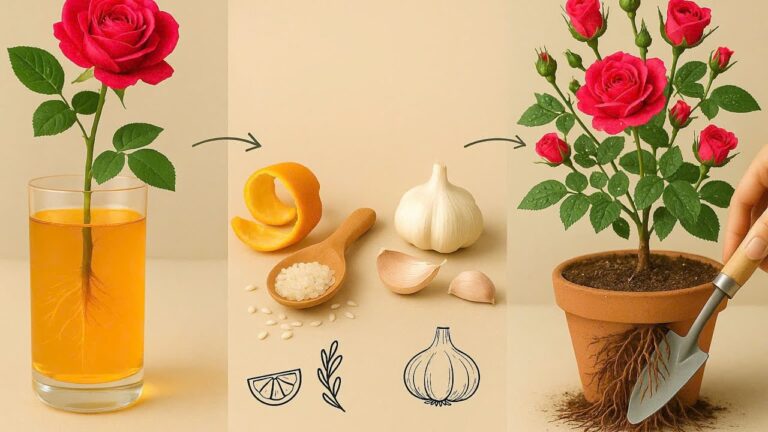
Can I root rose cuttings in water? Yes, rooting in water is possible, but soil generally provides a better environment for healthy growth.
When is the best time to take rose cuttings? The best time for taking cuttings is in late spring or early summer, when the plants are actively growing.
Conclusion
Rooting rose branches can significantly enhance your garden, allowing you to enjoy more blooms than ever. By following these tips, you’ll cultivate your own vibrant rose bushes. What types of roses are you most excited to grow in your garden? Please share your thoughts in the comments!