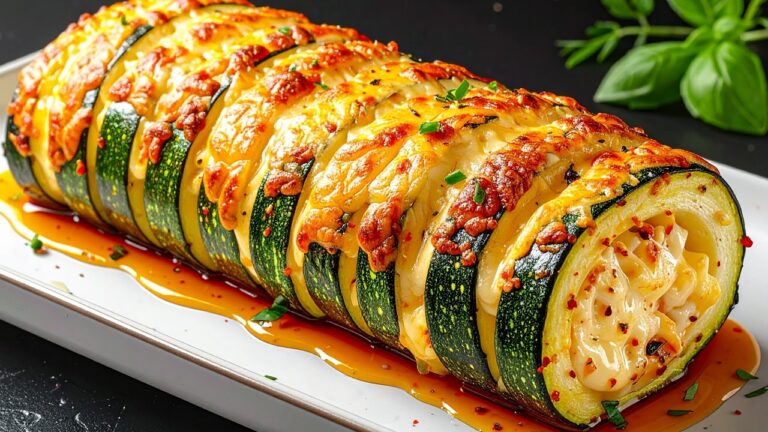

Oven-Roasted Ratatouille: Ultra-Flavorful Southern Delight
Oven-Roasted Ratatouille: Ultra-Flavorful Southern Delight
This oven-roasted ratatouille is a dish that instantly tempts you to sit at the table. It captures the essence of the South, bursting with colorful vegetables rich in sunshine, and delivers an unmatched tenderness that makes a homemade ratatouille truly special. Here, there’s no rushed cooking or overly firm vegetables; instead, we aim for a soft, melting texture enveloped in a generous tomato sauce infused with aromatic herbs in each bite.
The Unique Cooking Method
What sets this oven-baked version apart is the gentle, even cooking. The vegetables aren’t tossed carelessly in the pan; they bask in enveloping heat that tenderizes them without haste. The result? Velvety eggplant, firmer yet soft zucchini, sweet bell peppers, and generous tomatoes binding everything together. It’s a simple recipe that feels like it’s been simmering for hours.
Why This Ratatouille is So Tender
The secret to a successful oven-roasted ratatouille lies in three factors: the size of the vegetables, the balance of the tomato base, and the cooking process.
Vegetable Size Matters
First, cut the vegetables into uniform pieces. If they’re too large, they will take longer to soften, leading to uneven cooking. If they’re too small, they might break down too quickly and lose their character. Aim for a happy medium—chunks or dice of similar size that retain their shape while becoming tender.
Seasoned Tomato Base
Next, the tomato base should be well-seasoned. It’s not just a wet foundation; it provides moisture, richness, and coherence to the dish. Olive oil helps the vegetables soften, Herbes de Provence give it a Mediterranean aroma, and a touch of garlic adds depth without dominating. Depending on the acidity of your tomatoes, a pinch of sugar or a drizzle of balsamic vinegar can smooth out the overall flavor. While optional, this can truly enhance the sauce.
The Oven-Cooking Technique
Finally, oven cooking consolidates flavors without constant supervision. Initially covered, the vegetables soften in their steam and tomato juice. Then uncovered, the dish concentrates, the edges caramelize slightly, and the sauce becomes thick and coating. This interplay is precisely what gives you that ultra-tender result.
Ingredients for a Perfect Oven-Roasted Ratatouille
This recipe serves 4 to 6 and includes the following essentials:
- 1 large eggplant
- 2 medium zucchinis
- 1 red bell pepper (or a mix of red and yellow)
- 1 onion
- 2-3 garlic cloves
- 400g of crushed tomatoes or the equivalent in passata
- 3-4 tablespoons of olive oil
- 1 teaspoon of Herbes de Provence
- 1 sprig of thyme (optional)
- Fine salt and freshly ground black pepper
- A small pinch of sugar or a drizzle of balsamic vinegar (optional)
- Fresh basil leaves for serving (optional)
The Star Ingredients
Eggplant: The Key to Tenderness
The eggplant is one of the most important vegetables here, as it turns almost creamy during cooking. It absorbs the olive oil and tomato sauce beautifully, creating a delightful melting texture. Choose a heavy eggplant with smooth, firm, and shiny skin; avoid light or wrinkled ones, as they are often drier and less pleasant after cooking.
Zucchini: Freshness and Structure
Zucchini adds a softer texture and a fresh green note. They should remain identifiable and not turn to mush. Opt for firm, small to medium-sized zucchinis with smooth skin. Overly large zucchinis tend to be waterlogged, diluting the dish. If you only have large ones, cut them into uniform pieces to ensure even cooking.
Bell Pepper: Sweetness and Color
Red bell peppers, or a mix of red and yellow, offer sweetness and beautiful color characteristic of a sun-kissed ratatouille. They enhance the flavor without weighing the dish down. Choose firm, meaty peppers with smooth, shiny skin. Yellow peppers are slightly sweeter, while red ones are richer in flavor; both work wonderfully together.
Onion and Garlic: Aromatic Depth
The onion serves as the savory base of the dish, providing gentle sweetness that pairs perfectly with the tomatoes. Garlic, used judiciously, enhances the Provençal character of the dish but should not overpower it. Use classic yellow onions and firm garlic cloves without green sprouts for a cleaner flavor.
Tomatoes: The Binding Element
Crushed tomatoes or passata play a vital role by enveloping the vegetables, providing moisture, and allowing everything to cook without drying out. Crushed tomatoes offer a rustic texture with visible chunks, while passata provides a smoother sauce. Both are suitable depending on your desired outcome. If your tomatoes are very acidic, a small pinch of sugar or a touch of balsamic vinegar can bring balance without sweetening the recipe.
Olive Oil, Herbs, and Seasoning
Olive oil is essential for achieving that moist and flavorful quality. It facilitates gentle cooking and imparts the typical Mediterranean taste to the ratatouille. Herbes de Provence contribute the expected notes of the garrigue, while thyme, if used, adds a fresher, slightly woody nuance. Ensure the salt and pepper are well-balanced to enhance the tomatoes and vegetables without masking their flavors.
Can You Substitute Ingredients?
Yes, as long as you maintain the dish’s balance. An oven-roasted ratatouille primarily hinges on the equilibrium between vegetables, tomatoes, olive oil, and herbs. If you need to adapt the recipe, do so without disrupting this structure.
You can swap red bell peppers for yellow peppers or use a mix for a brighter result. If fresh thyme is unavailable, Herbes de Provence will suffice. Passata can replace crushed tomatoes if you prefer a smoother sauce, and vice versa if you like to see more tomato chunks.
Basil isn’t necessary during cooking, but it adds a lovely freshness at serving time. It’s a simple enhancement that works particularly well in summer.
However, it’s best to refrain from making too many substitutions in the main vegetables. Eggplant, zucchini, bell pepper, onion, and tomatoes are the core ingredients; their combination provides the perfect balance of texture and flavor.
Essential Equipment
This recipe requires no complicated equipment. A large baking dish or a sufficiently wide ceramic dish will do, as long as the vegetables aren’t overcrowded. This is crucial: if the dish is too small, the vegetables will cook as a mass and won’t confit as well.
Also, have the following on hand:
- A good kitchen knife
- A stable cutting board
- A mixing bowl for the tomato base
- A spatula or large spoon
- Aluminum foil or a suitable lid for the initial cooking phase
The choice of dish matters more than you might think. A wide dish promotes even cooking and better evaporation at the end. To achieve a truly tender oven-roasted ratatouille with slightly caramelized edges, give the vegetables enough space, avoiding crowding.
Preparing the Vegetables
Before baking, ensure you prepare the vegetables with care. This step is brief but crucial for the dish’s success.
The goal is to achieve uniform pieces. They don’t need to be perfect to the millimeter, but they should resemble each other for even cooking. Cut the eggplant and zucchini into medium cubes, the bell pepper into slightly larger chunks, and the onion into thin slices or small dice, depending on your preference. The idea is to create a beautiful visual and flavor homogeneity.
It’s also useful to prepare the tomato base before mixing everything together. This allows for balanced seasoning right from the start, so you won’t need to adjust too late. The sauce should be smooth, well-seasoned, and sufficiently present to coat the vegetables without drowning them.
If you enjoy cooking in advance, you can prepare the vegetables a few hours ahead, store them in the fridge, and assemble the ratatouille just before baking. This won’t change the outcome and can simplify meal organization.
Step-by-Step Recipe Preparation
1) Prepare and Cut the Vegetables
Start by washing and drying the vegetables. Cut the eggplant, zucchinis, bell pepper, and onion into uniform pieces, ideally into cubes or comparable sizes. The aim is simple: to ensure even cooking and for each vegetable to retain its identity.
For the oven-roasted ratatouille, precision down to the millimeter isn’t required, but avoid significant size discrepancies. Large pieces will remain firm in the center, while small cubes may melt too quickly and blend completely into the sauce. The eggplant can be cut slightly larger than the zucchini since it softens considerably during cooking.
Finely mince the garlic so that it flavors the sauce without leaving overly harsh chunks. If using fresh thyme, keep the sprig whole for easy removal at the end of cooking.
2) Prepare the Flavorful Tomato Base
In a bowl, mix the crushed tomatoes or passata with olive oil, Herbes de Provence, salt, pepper, and garlic. If desired, add a pinch of sugar or a drizzle of balsamic vinegar to soften the tomato’s acidity. This step truly impacts the final result: the sauce should not only be “present” but also flavorful, rounded, and balanced.
Quickly taste the base before pouring it into the dish. It should feel slightly more seasoned than a sauce ready to serve, as the vegetables will absorb the flavor during cooking. This well-seasoned base will give the dish its confit quality, with a bright and aromatic finish.
3) Arrange the Vegetables in the Dish
Place the cut vegetables in a large oven-safe dish, avoiding overcrowding: they should form a relatively airy layer to allow heat to circulate properly. If the dish is packed too full, the vegetables will more likely stew in their own juices than confit gently.
Then pour the tomato sauce over the vegetables and mix thoroughly with a large spoon or spatula. Ensure that each piece is well-coated. Don’t hesitate to lift the vegetables from the bottom to evenly distribute the sauce throughout. This ensures that the ratatouille is homogeneous, tender, and beautifully colored.
If using a sprig of thyme, place it on top of the dish at this stage.
4) Cook Covered for Tenderness
Preheat your oven to 180°C (350°F), preferably using a convection setting. Cover the dish with a lid or, if unavailable, use parchment paper followed by tightly sealed aluminum foil. Cooking covered helps retain moisture and results in tender vegetables before concentrating the flavors.
Bake for about 35 minutes. At this stage, the vegetables will begin to soften, the sauce will gently bubble at the edges, and the aroma will be delightfully Mediterranean. The bell pepper will relax, the zucchini will take on a softer texture, and the eggplant will start becoming almost creamy.
5) Finish Uncovered to Concentrate
Remove the cover or aluminum foil, then continue to bake for an additional 20 to 30 minutes. This second phase is what gives the true signature of the oven-roasted ratatouille: the edges concentrate slightly, the sauce becomes thicker, and the vegetables take on a tender and glossy appearance.
Keep a close eye on the end of the cooking process. The dish is ready when the vegetables are tender to the point of a knife without falling apart and the sauce is reduced just enough to coat without drowning. You should see a beautiful warm color with slightly caramelized areas on top.
6) Let Rest Before Serving
Remove the dish from the oven and allow it to rest for about 10 minutes. This pause is significant: it allows the flavors to settle and the sauce to slightly thicken. The ratatouille will be more harmonious when served, with a more pleasant mouthfeel.
Before serving, remove the thyme sprig if used, and sprinkle with fresh basil leaves if desired. Basil adds a delightful freshness that complements the confit vegetables.
Signs of a Perfect Ratatouille
A good oven-roasted ratatouille should not be dry, nor should it drown in an overly liquid sauce. The ideal texture is tender, soft, and coating. The vegetables should be distinctly visible, colors vibrant, and the sauce should envelop everything with a shiny appearance.
The eggplant should be melt-in-your-mouth tender without completely collapsing. The zucchini should remain soft yet recognizable. The bell pepper should contribute its sweetness and slight flavor. If pressed with a spoon, the pieces should break apart gently, without notable resistance.
Chef’s Tips for an Even Better Result
For truly confit cooking, choose a dish that’s large enough. Overcrowded vegetables tend to produce a watery ratatouille. A broad, shallow dish is preferable to a small, overflowing one.
If your tomatoes are very acidic, a pinch of sugar may suffice, but a drizzle of balsamic vinegar often adds a more graceful roundness. Use these sparingly; the goal is not to sweeten the dish but to balance the flavor.
Another useful tip is to mix the vegetables with the sauce before cooking rather than just pouring the tomatoes on top without coating. This ensures better seasoning distribution and a more uniform result.
Finally, if you desire an even softer result, you can leave the dish uncovered a few minutes longer, while monitoring closely. The sauce should remain smooth and glossy and not dried out.
Common Mistakes to Avoid
The first mistake is cutting the vegetables too irregularly. This complicates cooking and negatively affects the final texture. The second is trying to rush the process by using too high a temperature: the ratatouille risks browning on the surface without becoming truly tender inside.
Avoid overfilling the dish. An oven-roasted ratatouille needs space to evaporate excess moisture gently. If the dish is too full, the vegetables will cook more in their steam than in a confit heat.
Lastly, don’t be shy with the salt. The vegetables will absorb part of the seasoning during cooking, and a bland base will lead to disappointing results, even with excellent tomatoes and fresh herbs.
Variations on the Recipe
You can replace the red bell pepper with a mix of red and yellow for an even more colorful dish. This results in a visually vibrant ratatouille with slightly different sweetness.
If you enjoy stronger flavors, slightly increase the thyme without overpowering the Herbes de Provence. The idea is to stay within balanced Southern cuisine, never overwhelming.
For a more rustic version, leave some vegetable pieces a bit larger. They will retain more bite while still becoming tender through oven cooking.
Serving Suggestions
Serve the ratatouille hot, directly in the baking dish or in a large white serving platter to highlight the vibrant colors. It contrasts beautifully with the red of the tomatoes, green of the zucchinis, orange of the bell pepper, and deep purple of the eggplant.
As a main dish, pair it with rustic bread, rice, fine couscous, or creamy polenta. It also pairs wonderfully with roasted fish, grilled chicken, or an omelette. Enjoy it warm the next day, as the flavors deepen.
A finishing drizzle of olive oil can add a final touch of shine, especially if the dish has rested a bit. A few fresh basil leaves added just before serving bring an exceptionally pleasant fresh note.
Storage and Make-Ahead Tips
This oven-roasted ratatouille keeps well in the refrigerator for 3 to 4 days in an airtight container. It’s often even better the next day, as the flavors have time to meld together.
To reheat, use a low oven or a saucepan over low heat. Add a small spoonful of water as needed to loosen the sauce without diluting it. Avoid reheating it too vigorously to preserve the vegetables’ integrity.
You can also prepare it in advance for a family meal or a busy weekday table. Allow it to cool completely before refrigeration to maintain texture and deepen flavors.
Nutritional Value
For a generous serving as a main dish, this oven-roasted ratatouille averages around 160 to 220 kcal, depending on the amount of oil used and selected sides. It’s a vegetable-rich dish, naturally filling, packed with fiber, vitamins, and healthy fats from olive oil.
Light yet satisfying, it makes an excellent option for a balanced meal without feeling deprived.
FAQ
How to Prevent Ratatouille from Being Too Watery?
Use a wide, shallow dish, cut vegetables evenly, and cook first covered followed by uncovered. This second phase allows excess water to evaporate while keeping the vegetables tender and glossy.
Can You Prepare Oven-Roasted Ratatouille the Day Before?
Yes, and it’s actually a great idea. The flavors develop as they rest, and the dish often tastes even better the next day. Store it in the refrigerator, then reheat gently before serving to maintain its tender texture.
How Can You Tell if the Vegetables Are Cooked Enough?
Pierce the eggplant and zucchini with the tip of a knife; it should slide in easily without resistance. The vegetables should be tender but remain visible. The sauce should be thick but not runny, with slightly caramelized edges.
What to Serve with Oven-Roasted Ratatouille?
It pairs excellently with bread, rice, couscous, or polenta. It also complements roasted fish, grilled chicken, or an omelette. As a vegetarian dish, it can stand alone as a generous meal.
Conclusion
This oven-roasted ratatouille has all the elements to please: tender vegetables, flavorful sauce, stunning colors, and a simplicity that works every time. Serve it hot, sprinkled with basil, and savor the authentic taste of Southern cuisine. If you give it a try, keep this recipe handy—it’s sure to be a regular at your table.