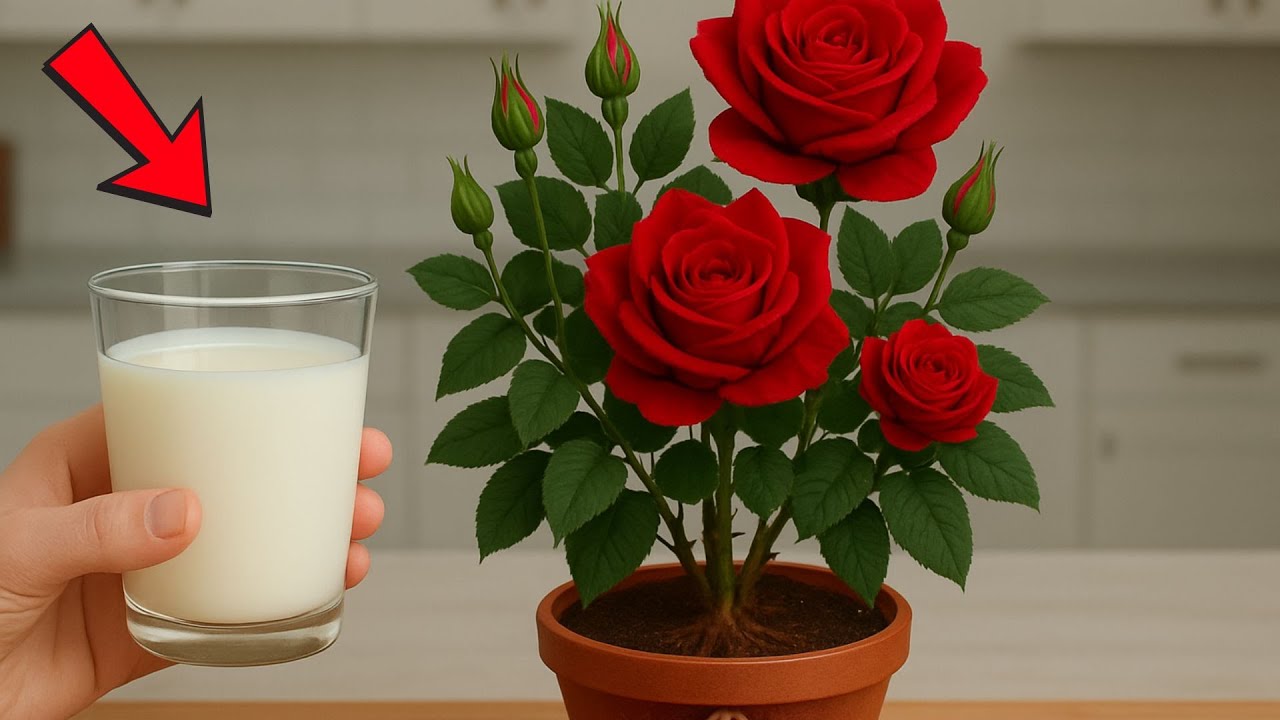
Root 100 Roses Fast: Just 1 Glass of This Magic Solution!
Rooting 100 Roses Quickly: Your Guide to a Simple Solution
- Introduction
- Understanding Rooting
- Best Materials for Success
- Step-by-Step Process for Rooting Roses
- Common Mistakes to Avoid
- FAQ
- Conclusion
Introduction
Picture this: You’re admiring your garden, filled with vibrant roses, but you wish to multiply their beauty without spending a fortune. The idea of rooting new plants from your existing stock seems perfect, yet uncertainty lingers about how to do it effectively. With the right method, you can enjoy an abundance of roses, enriching your garden without breaking the bank. Keep reading to discover how simple it can be!
Understanding Rooting
Rooting is the process of growing new plants from cuttings taken from existing plants. It allows you to propagate your favorite varieties without the need to purchase new plants. Understanding how this process works can set the foundation for success in your gardening efforts.
Benefits of Rooting Roses
- Cost-effective way to expand your plant collection
- Preserves the characteristics of your favorite roses
- Engaging and rewarding gardening activity
Ideal Conditions for Rooting
Certain conditions enhance the likelihood of successful rooting. Ensure the following:
- Warm temperatures, ideally between 70°F to 75°F
- High humidity to prevent moisture loss
- Indirect sunlight to avoid shocking the cuttings
Best Materials for Success
Choosing the right materials is essential to successfully propagate roses. Below are the necessary tools and ingredients.
Essential Tools
- Clippers (for taking cuttings)
- Containers or pots for planting
- Plastic bags to maintain humidity
Rooting Solution
A simple rooting solution can significantly increase your chances of success. You’ll need:
- 1 cup of water
- 1 tablespoon of honey (a natural root stimulant)
- 1 teaspoon of cinnamon (prevents fungal growth)
Step-by-Step Process for Rooting Roses
Follow these steps to ensure your rose cuttings take root quickly.
Taking the Cuttings
- Select healthy stems from your existing roses that are about 6 inches long.
- Make a clean cut at a 45-degree angle just below a leaf node.
- Remove any flowers or buds from the cutting to focus energy on root development.
Preparing the Cuttings
Before placing your cuttings in the rooting solution:
- Dip the cut end into the rooting solution, ensuring it is well-coated.
- Place the cutting in a pot filled with moist soil, burying it about 2 inches deep.
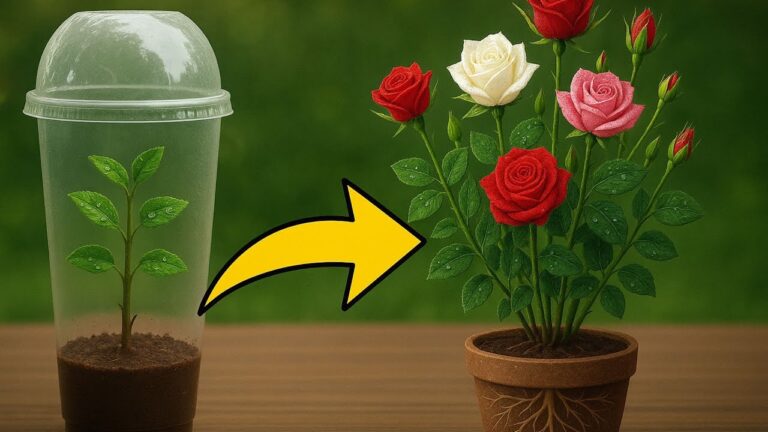
- Cover the pot with a plastic bag to create a greenhouse effect.
Maintaining Optimal Conditions
Now that your cuttings are in place, keep these points in mind:
- Check the soil regularly to ensure it remains consistently moist but not soggy.
- Place the pot in an area with filtered light.
- Remove the plastic every few days to prevent mold formation.
Common Mistakes to Avoid
Even seasoned gardeners can make errors when rooting roses. Recognizing and avoiding these mistakes can help achieve better results.
Overwatering
Too much water can drown the cuttings and encourage rot. Ensure the soil has good drainage and only water when it feels dry.
Wrong Time of Year
Attempting to root stems during extreme heat or cold can hinder success. Optimal times are typically spring and early summer.
Neglecting Humidity
Failing to maintain humidity can dry out the cuttings. Always use plastic coverings until they root successfully.
FAQ
How long does it take for rose cuttings to root?
Typically, it takes about 2 to 6 weeks for rose cuttings to root, depending on various conditions such as temperature and humidity.
Can I use just water for rooting my rose cuttings?
While it’s possible to root cuttings in water, using a rooting solution often promotes faster and stronger root development.
What type of rose cuttings works best?
Stem cuttings taken from healthy, non-flowering stems produce the best results. Look for young, semi-hardwood stems for optimal rooting.
Conclusion
Rooting roses is an enriching experience, allowing you to expand your garden without spending too much. By following the right steps and avoiding common pitfalls, you can enjoy beautiful blooms for years to come. What style of roses are you planning to propagate in your garden?