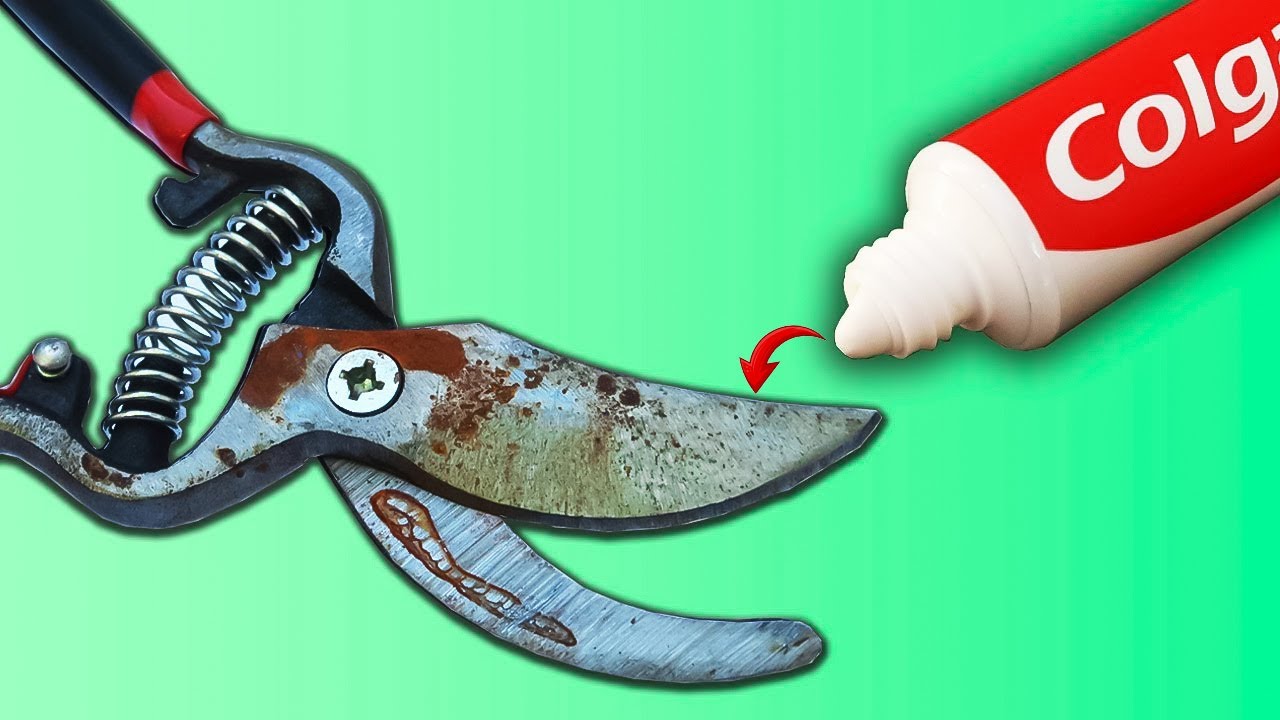
Sharpen Scissors Like New: 5 Simple Steps to Achieve Razor Sharpness at Home!
Sharpen Scissors Like New: 5 Simple Steps to Achieve Razor Sharpness at Home
Introduction
Have you ever glanced at your scissors and felt frustration when they just won’t cut through paper or fabric as they should? This pesky problem can turn even simple tasks into daunting challenges. Knowing how to properly sharpen your scissors can restore their functionality and save you time on your DIY projects. Stick around as we explore effective steps to revitalize your trusty tools.
Required Materials
Before diving into the sharpening process, you’ll want to gather a few essential materials to ensure the best results. Here’s what you need:
- Sharpening stone (fine grit for a smoother edge)
- Scissors (the ones in need of sharpening)
- Cloth (to clean the edges afterward)
- Mineral oil (to lubricate after sharpening)
Gathering these materials will help you achieve optimal sharpness for your scissors.
Step-by-Step Guide
Now that you have your materials ready, follow these steps to sharpen your scissors effectively:
-
Preparation
Start by cleaning your scissors thoroughly. If they have sticky residue or dirt, wipe them down with a damp cloth to ensure smooth sharpening.
-
Choose Your Angle
Find the right angle for the blade. Typically, a 20-30 degree angle works well for scissors to maintain a good cutting edge.
-
Sharpen the Blade
Utilizing your sharpening stone, begin to run the blade along the stone from pivot to tip. Use even pressure and repeat this process for about 10 strokes on each side.
-
Check the Sharpness
After sharpening, test the scissors on a piece of paper. If they still struggle, repeat the sharpening process as needed, focusing on areas that need more attention.
-
Clean and Lubricate
Finish by wiping the blades clean with a cloth and applying a drop of mineral oil to the hinge. This helps keep the blades moving smoothly.
Common Mistakes
While sharpening your scissors can seem straightforward, there are a few pitfalls to watch out for:
- Using the wrong angle: A steep angle can dull your scissors rather than sharpen them.
- Neglecting to clean: Failing to clean your scissors beforehand can ruin the sharpening process.
- Over-sharpening: Repeatedly sharpening without need can lead to thinner blades and reduced longevity.
- Not testing: Skipping the testing phase can leave you unaware of any remaining dull spots.
- Forgetting lubrication: Without lubrication, the blades may not function smoothly post-sharpening.
FAQ
How often should I sharpen my scissors?
It depends on usage, but typically, sharpening every few months or when you notice a decline in performance is recommended.
Can I use a knife sharpener for scissors?
While some knife sharpeners claim to sharpen scissors, it’s best to use a sharpening stone or dedicated scissor sharpener for optimal results.
Is it safe to sharpen scissors at home?
Yes, sharpening scissors at home is safe as long as you follow the proper techniques and use the right tools.
Conclusion
Learning to sharpen your scissors at home can extend their life and improve your crafting experience. With just a few simple steps, your scissors can feel brand new. What specific projects will you tackle with your newly sharpened scissors?