Transform 5 Kitchen Wastes into Organic Fertilizer for Thriving Home Crops!
Transform Kitchen Wastes into Organic Fertilizer for Thriving Home Crops
- Introduction
- Benefits of Organic Fertilizer
- Top Kitchen Wastes to Recycle
- How to Make Your Organic Fertilizer
- Common Mistakes to Avoid
- FAQ
- Conclusion
Introduction
Many of us often toss kitchen scraps without a second thought, unaware that these discards could be valuable resources for our gardens. Have you ever wondered about the impact of your kitchen waste on your home crops? Transforming everyday kitchen items into organic fertilizer can not only enhance your plants but also reduce waste. Continue reading to discover how simple changes can boost your gardening results.
Benefits of Organic Fertilizer
Using organic fertilizer has numerous advantages for both your plants and the environment. Here are some compelling reasons to consider:
- Nutrient-Rich: Organic fertilizers retain moisture and supply essential nutrients like nitrogen, phosphorus, and potassium.
- Soil Health: They improve soil structure, promote beneficial organisms, and enhance microbial activity.
- Environmentally Friendly: By recycling kitchen waste, you reduce landfill contributions and minimize chemical runoff.
Top Kitchen Wastes to Recycle
Many common kitchen items can be transformed into excellent organic fertilizers. Here are five you might already have at home:
- Eggshells: Crush them to add calcium to your soil.
- Coffee Grounds: They provide nitrogen and help attract earthworms.
- Fruit and Vegetable Peels: Use scraps like banana peels for potassium and phosphorus.
- Green Tea Bags: They contain beneficial nutrients and can decompose easily.
- Nut Shells: Shredded shells can enhance soil drainage and aeration.
Preparation Tips
When preparing these items for your garden, consider the following:
- Ensure all scraps are clean and free of harmful chemicals.
- Chop larger scraps into smaller pieces to speed up decomposition.
- Let items dry before storing them to prevent odor or mold.
How to Make Your Organic Fertilizer
Creating your organic fertilizer is simple and can be done in a few easy steps:
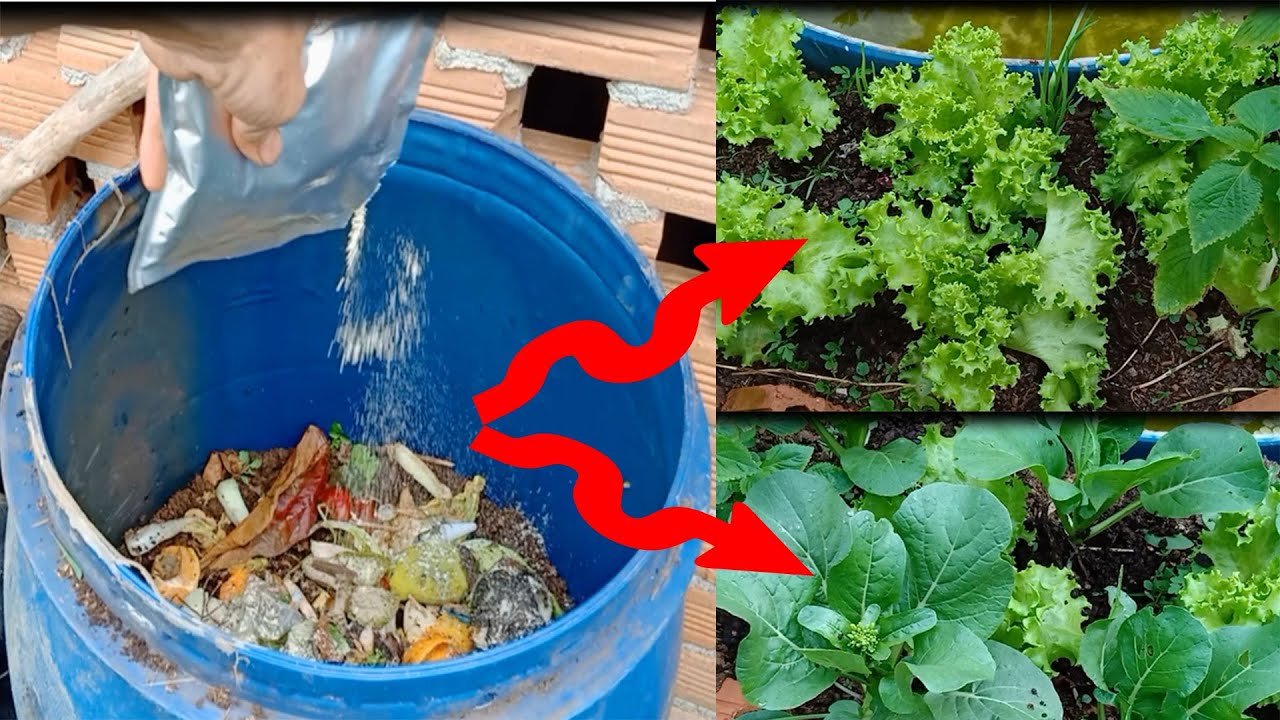
- Collect Your Materials: Gather the kitchen wastes you wish to use.
- Layer Them: Alternate layers of different scraps in a compost bin.
- Aerate: Turn the pile regularly to increase oxygen flow, speeding up the decomposition process.
- Monitor Moisture: Maintain a balance; the mixture should be damp but not soaked.
- Harvest: After a few weeks to months, your organic fertilizer will be ready to use!
Storage Suggestions
For optimal results, consider these storage tips:
- Use airtight containers to store dried scraps.
- Keep the compost bin in a shaded area to avoid overheating.
Common Mistakes to Avoid
When making organic fertilizer from kitchen waste, it’s crucial to avoid certain pitfalls:
- Using items that are contaminated with pesticides or chemicals.
- Neglecting to chop large pieces, which can slow down decomposition.
- Ignoring the balance between green (nitrogen-rich) and brown (carbon-rich) materials.
- Letting the mixture dry out completely, which can halt the composting process.
- Overloading your compost bin with too many kitchen scraps at once.
FAQ
Can I use meat scraps in my compost? It’s best to avoid meat scraps as they can attract pests and cause odors.
How often should I turn my compost? Turning your compost every 1-2 weeks is recommended to ensure proper aeration.
How can I tell when my fertilizer is ready? The compost should smell earthy, and the scraps should be thoroughly decomposed and resemble dark soil.
Conclusion
By transforming kitchen waste into organic fertilizer, you enhance your garden’s health while reducing waste. What potential kitchen scraps do you plan to turn into fertilizer for your home crops? Share your thoughts in the comments below!