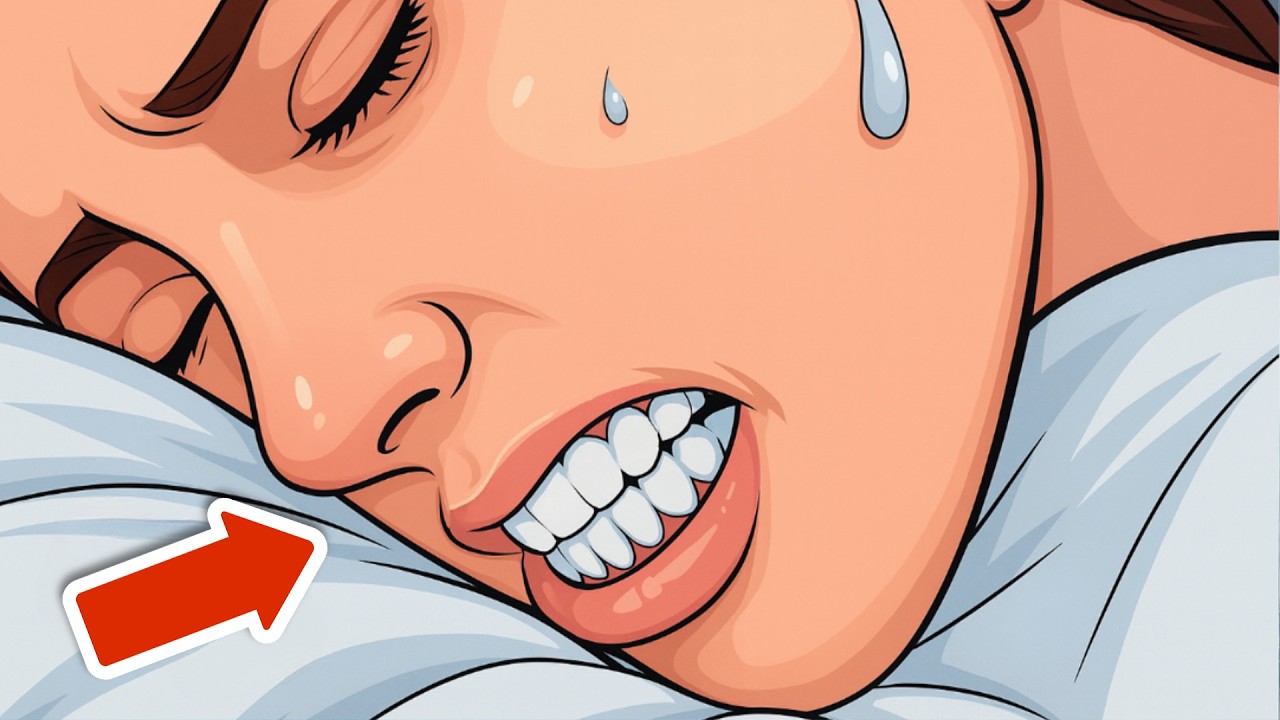
Uncover 8 Hidden Illnesses Linked to Your Nightly Teeth Grinding!
Understanding 8 Hidden Illnesses Linked to Your Nightly Teeth Grinding
- Introduction
- Hidden Illnesses Related to Teeth Grinding
- Physical Effects of Teeth Grinding
- Impact on Mental Health
- Common Mistakes to Avoid
- FAQ
- Conclusion
Introduction
Have you ever woken up with a jaw that feels tight or a headache that simply won’t go away? If you grind your teeth at night, known as bruxism, you may not realize the extent of its effects on your body. Many people underestimate how this common issue can be linked to various hidden illnesses. Understanding these connections can lead to a healthier lifestyle and better sleep. Dive deeper into the potential health risks and gain insights on how to manage this condition effectively.
Hidden Illnesses Related to Teeth Grinding
Teeth grinding can often be a sign of underlying issues. Here are eight illnesses that might be connected to this seemingly innocent habit.
- Sleep Apnea: This common sleep disorder is often linked with teeth grinding. It may lead to significant health problems if left untreated.
- TMJ Disorders: Grinding puts stress on the temporomandibular joint, leading to painful TMJ disorders.
- Gastroesophageal Reflux Disease (GERD): Increased pressure in the mouth can exacerbate acid reflux symptoms.
- Headaches and Migraines: Regular teeth grinding can trigger frequent headaches due to muscle tension.
- Cardiovascular Issues: Stress from grinding may contribute to increased heart rate and blood pressure.
- Anxiety Disorders: People who grind their teeth often have higher levels of anxiety, creating a vicious cycle.
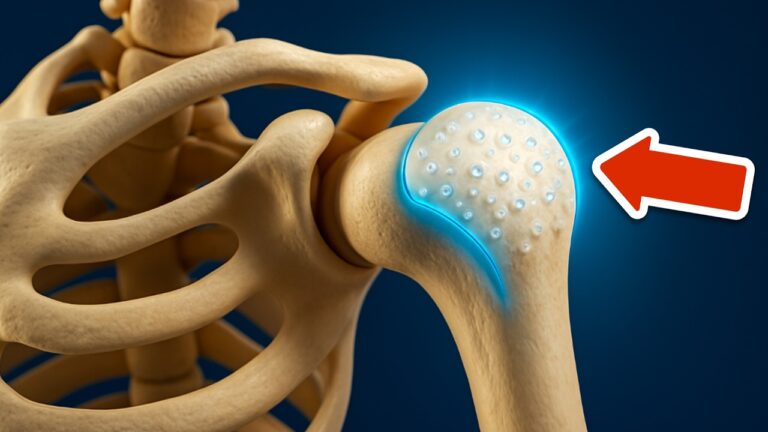
- Osteoarthritis: Wear and tear from grinding can contribute to joint pain and mobility issues.
- Dental Problems: Continuous grinding leads to worn teeth, fractures, and increased cavities.
Physical Effects of Teeth Grinding
The physical repercussions of teeth grinding extend beyond tooth wear. Here’s how it can impact your overall health.
1. Jaw Pain and Discomfort
Chronic grinding places enormous stress on the jaw. You might experience:
- Discomfort when chewing
- A clicking sound while moving the jaw
- Tenderness in the jaw muscles
2. Tooth Damage
Your teeth can suffer greatly from grinding, leading to:
- Worn down surfaces
- Cracked or chipped teeth
- Increased sensitivity to temperature and pressure
Impact on Mental Health
The relationship between teeth grinding and mental well-being is significant. Stress and anxiety can both be causes and effects of bruxism.
Stress and Anxiety Correlation
Many people grind their teeth unconsciously as a response to stress. This increased tension can lead to:
- Sleep disturbances
- Heightened anxiety levels
- Difficulty concentrating during the day
Finding Balance
Addressing both your mental health and grinding habits is essential. Consider these practical tips:
- Practice mindfulness or meditation to reduce stress.
- Engage in regular physical activity to combat anxiety.
- Consult a healthcare provider for professional advice.
Common Mistakes to Avoid
Understanding related issues helps in managing bruxism effectively. Here are some common mistakes to avoid:
- Ignoring Symptoms: Dismissing nighttime grinding can lead to severe dental issues.
- Self-Diagnosing: Avoid making assumptions without professional input.
- Overlooking Stress Management: Failing to address underlying stress contributes to ongoing grinding.
- Neglecting Regular Dental Check-ups: Regular visits can help monitor and treat potential damage early.
FAQ
What are the main causes of teeth grinding?
Common causes include stress, anxiety, sleep disorders, and even lifestyles such as alcohol and caffeine consumption.
How can I tell if I grind my teeth at night?
Waking up with a sore jaw, headaches, or damaged teeth can indicate grinding. You may also check with your dentist for signs of wear.
What treatments are available for teeth grinding?
Treatments range from stress management techniques, dental guards, to professional therapies aimed at addressing the root causes.
Conclusion
Being aware of how nocturnal teeth grinding can be linked to various hidden illnesses can significantly improve your health. Don’t hesitate to seek professional guidance if you find yourself struggling. What steps will you take today to better manage your teeth grinding?