5 Steps to Grow Ever-Blooming Roses with Gelatin Magic!
5 Steps to Grow Ever-Blooming Roses with Gelatin Magic
- Introduction
- Understanding Gelatin Benefits
- Preparing Your Soil
- Planting Your Roses
- Care and Maintenance
- Common Mistakes
- FAQ
- Conclusion
Introduction
Picture this: You step into your garden, and a stunning array of vibrant roses greets you, filling the air with their sweet fragrance. But perhaps your rose bushes have struggled to thrive, becoming a source of frustration instead. You may be wondering how to achieve that dream garden full of ever-blooming roses without the hassle. By incorporating a simple ingredient—gelatin—you can nourish your plants and encourage robust growth. Read on to discover how you can transform your gardening experience with this natural approach.
Understanding Gelatin Benefits
Before diving into the gardening steps, let’s explore the reasons why gelatin can be beneficial for your rose plants. Gelatin is packed with nutrients that nourish the soil and strengthen root systems. Here are some key benefits:
- Promotes root growth: The amino acids in gelatin help develop healthy roots.
- Enhances moisture retention: Gelatin improves the soil’s ability to hold water, ensuring your roses stay hydrated.
- Boosts plant vigor: Nutrients from gelatin can lead to healthier, more resilient plants.
Preparing Your Soil
Creating the right environment is crucial for your roses to flourish. Follow these steps to prepare your soil effectively:
- Assess your garden’s soil type: Test if your soil is sandy, loamy, or clay-based. Loamy soil is ideal for roses.
- Amend the soil with organic matter: Mix in compost or well-rotted manure to enrich the soil with nutrients.
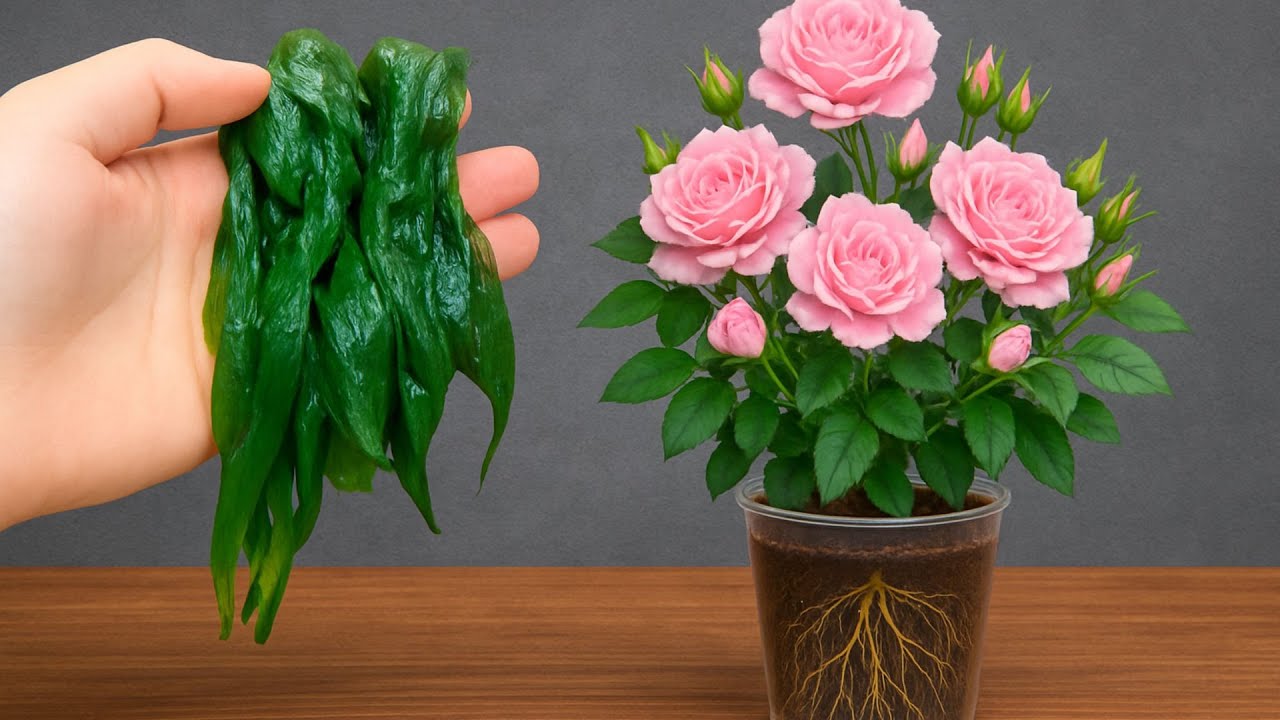
- Add gelatin: For every 1 cup of soil, mix in 1 tablespoon of powdered gelatin. This will boost nutrient availability.
Tips for Soil Preparation
Consider the following tips to enhance your soil preparation:
- Avoid over-compacting the soil; it should remain loose for easy root growth.
- Test the pH level: Roses thrive in slightly acidic conditions (pH 6.0 to 6.8).
Planting Your Roses
Choosing the right time and technique for planting is key to your roses’ success. Here’s how to do it:
- Select high-quality rose plants: Look for healthy, disease-free plants at your local nursery.
- Dig a hole: Ensure the hole is twice as wide as the rose’s root ball and just as deep.
- Position the rose: Place your plant in the center of the hole, ensuring the graft union is level with the soil surface.
- Add more gelatin mix: Sprinkle 1 tablespoon of gelatin around the roots to promote vigor.
- Fill in with soil and water: Backfill the hole while gently patting down to eliminate air pockets, then water thoroughly.
Choosing the Right Variety
Depending on your climate and preferences, consider different rose varieties. Some popular choices include:
- Hybrid teas for long-lasting blooms
- Floribundas for abundant clusters of flowers
- Climbers for vertical growth options
Care and Maintenance
Proper care ensures your roses thrive all season long. Here are essential maintenance steps to follow:
- Water regularly: Roses require about 1 inch of water per week, adjusting for rainfall.
- Fertilize wisely: Use rose-specific fertilizer every 6 to 8 weeks during the growing season.
- Prune your roses: Remove dead or weak stems to encourage new growth and improve air circulation.
- Watch for pests: Keep an eye out for aphids and spider mites; use organic deterrents if necessary.
Creating a Blooming Landscape
Enhance your garden’s aesthetic by planting companion plants that complement your roses. Consider:
- Lavender for its fragrance and pest-repelling properties
- Catmint to attract pollinators
Common Mistakes
As you embark on your rose-growing journey, be mindful of these common pitfalls:
- Overwatering: This can lead to root rot. Ensure the soil dries out slightly between watering.
- Neglecting sunlight: Roses need at least 6 hours of direct sunlight daily, so choose planting spots wisely.
- Ignoring soil quality: Using poor-quality soil can hinder growth, so continually improve your garden soil.
FAQ
How often should I water my roses?
Water your roses about once a week, ensuring they receive approximately 1 inch of water. Adjust based on environmental conditions.
Can I use gelatin on other plants?
Yes, gelatin can benefit other plants as well! It provides essential nutrients and supports healthy growth in various flower and vegetable varieties.
When is the best time to prune roses?
The best time to prune roses is in early spring, just before new growth begins. This promotes robust blooming during the growing season.
Conclusion
By integrating gelatin into your rose-growing routine, you can cultivate a stunning display of ever-blooming roses while supporting their health and vitality. Have you tried any special nutrition techniques for your plants? Share your experiences and suggestions in the comments below!