7 Conditions You Must Check If You Have Dry Skin for Healthier Living!
7 Essential Conditions to Check for Healthier Living with Dry Skin
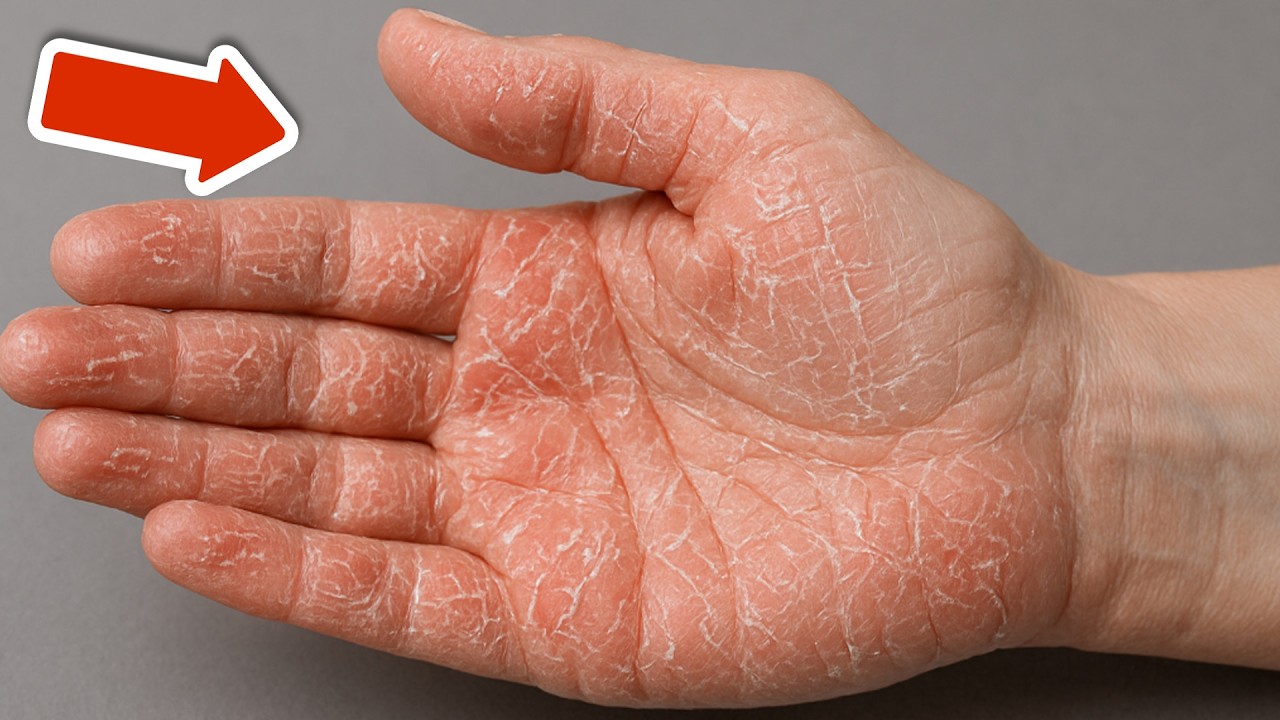
Dry skin can often leave you feeling uncomfortable and self-conscious. You may notice your skin becoming flaky or itchy, which can affect your daily activities and overall confidence. While many people turn to over-the-counter creams, they might not address the root causes of your dry skin. Understanding the various factors contributing to your condition is essential for improving your skin’s health. Read on to explore the key conditions you need to check for healthier living with dry skin.
1. Underlying Conditions
Understanding any underlying health issues is crucial for managing dry skin effectively. Some conditions can exacerbate dryness, making it essential to address them proactively.
1.1 Eczema and Psoriasis
Eczema and psoriasis are common skin conditions that can lead to extreme dryness. If you find your skin is often red, inflamed, or prone to breakouts, consulting a dermatologist for diagnosis is advisable. Treatment options might vary based on severity.
1.2 Hypothyroidism
This underactive thyroid condition can lead to a significant decrease in skin moisture. If you experience other symptoms such as weight gain, fatigue, or hair loss, discussing thyroid function with a healthcare provider may be beneficial.
1.3 Diabetes
High blood sugar levels can lead to dehydration, affecting your skin. Keeping your blood sugar levels stable through a balanced diet and regular check-ups can lessen skin issues.
2. Environmental Factors
Your environment plays a significant role in your skin’s hydration levels. Identifying these factors can help you take proactive steps to support your skin’s health.
2.1 Climate
Dry or cold climates can strip moisture from your skin. During winter, consider using a humidifier indoors to maintain moisture levels in the air and keep your skin hydrated.
2.2 Sun Exposure
Excessive sun exposure can lead to rough, dry skin. Always apply sunscreen with a broad spectrum SPF of at least 30, and wear protective clothing when outdoors. Remember that the sun’s rays can affect your skin even on cloudy days.
2.3 Indoor Heating
Central heating in winter can dehydrate your skin. Use a gentle moisturizer after bathing to help lock in moisture, and consider limiting hot showers that can further dry out your skin.
3. Skincare Routine
Assessing your skincare practices is essential in managing dry skin effectively.
3.1 Choosing the Right Products
Opt for hydrating skincare products formulated for dry skin. Look for ingredients like hyaluronic acid, glycerin, and ceramides, as they help retain moisture and strengthen your skin’s barrier.
3.2 Daily Moisturizing
Apply a moisturizer twice daily to keep your skin hydrated. Consider using thicker creams at night, as they provide extra nourishment while you sleep.
3.3 Regular Exfoliation
Gently exfoliate your skin once or twice a week to remove dead skin cells, which can obstruct moisture absorption. Use a mild exfoliating product to avoid irritation.
4. Common Mistakes
Being aware of common pitfalls can help you better manage dry skin effectively.
4.1 Overwashing
Washing your skin too frequently can strip away natural oils, worsening dryness. Limit your bathing to once a day and use lukewarm water instead of hot water.
4.2 Skipping Sunscreen
Neglecting sunscreen can lead to further dryness and skin damage. Make it a daily habit to apply sunscreen, even when you’re indoors.
4.3 Ignoring Ingredients
Certain ingredients like alcohol can be drying. Always read ingredient labels on skincare products to ensure you’re not using anything that could aggravate your dryness.
FAQ
Q1: What is the best moisturizer for dry skin?
A: Look for rich, hydrating creams that contain glycerin, hyaluronic acid, and ceramides to effectively lock in moisture.
Q2: How often should I exfoliate if I have dry skin?
A: Gently exfoliate your skin once or twice a week to help remove dead skin cells without causing further irritation.
Q3: Can diet affect dry skin?
A: Yes, a diet rich in omega-3 fatty acids and plenty of water can significantly improve your skin’s hydration levels.
Maintaining healthy, hydrated skin requires understanding the various conditions that can affect its well-being. By taking action against these underlying issues and adapting your skincare routine, you can improve your skin’s health. What changes will you make to your routine for healthier skin? Your thoughts are welcome in the comments below!