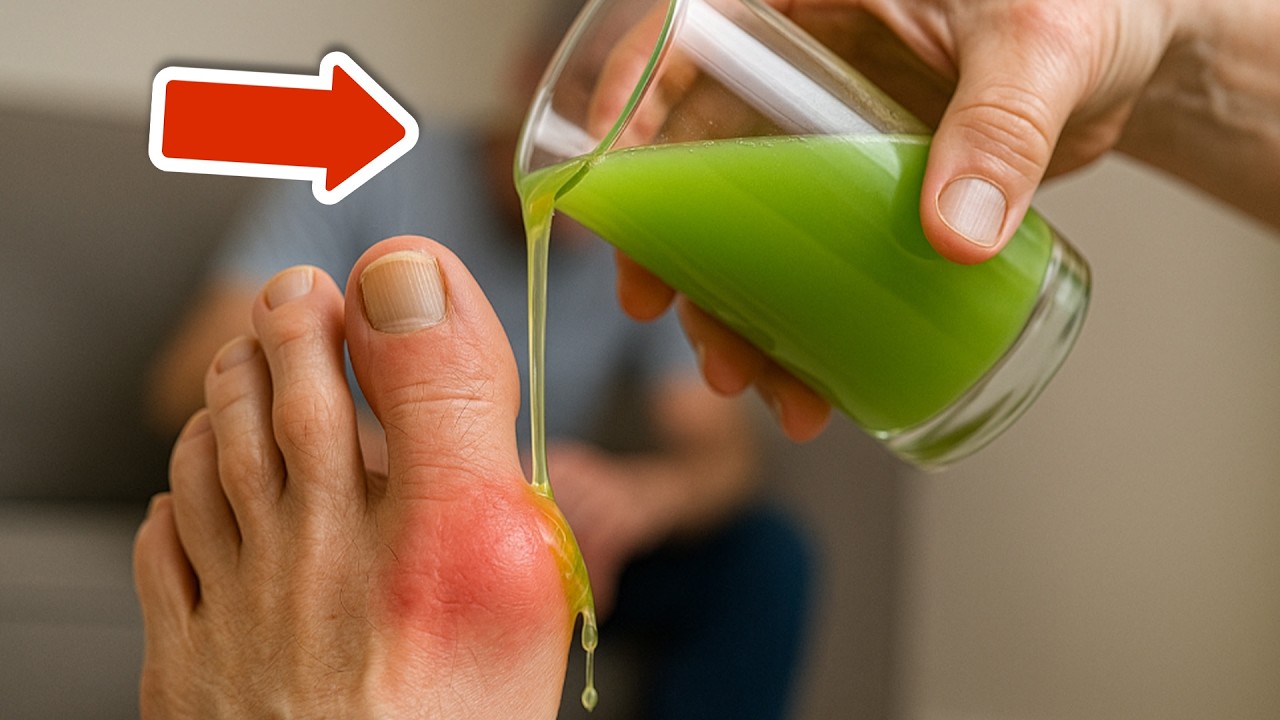
7 Secrets to Quickly Relieve Gout Naturally and Effectively!
7 Secrets to Quickly Relieve Gout Naturally
- Understanding Gout
- Natural Remedies for Gout Relief
- Dietary Changes to Manage Gout
- Common Mistakes to Avoid
- FAQ
Experiencing sudden, intense pain in your joints, particularly in your big toe, can be overwhelming and may signal an onset of gout. The discomfort can interfere with daily activities and may leave you searching for immediate relief. From dietary tweaks to lifestyle adjustments, there are various ways to manage and alleviate the pain. Understanding what works best for you can pave the way for a more comfortable experience. Let’s explore how to relieve gout naturally.
Understanding Gout
Before diving into solutions, it’s important to grasp what gout is and what causes it. Gout is a form of arthritis caused by elevated levels of uric acid in the blood, leading to the formation of crystals in the joints. These crystals result in inflammation and extreme pain.
Causes of Gout
- Diet: Consuming high levels of purine-rich foods can elevate uric acid levels.
- Genetics: A family history of gout can increase your risk.
- Obesity: Excess weight can contribute to higher uric acid production.
Symptoms of Gout
The symptoms of gout typically include sudden and severe pain, redness, swelling, and warmth in the affected joint. These symptoms can happen unexpectedly and usually worsen at night.
Natural Remedies for Gout Relief
There are several natural remedies that can help alleviate the symptoms of gout. Here are some effective options to consider:
1. Cherry Juice
Research suggests that consuming cherries or cherry juice can help lower uric acid levels due to their antioxidant properties. Aim for a daily intake of pure cherry juice to potentially aid your condition.
2. Apple Cider Vinegar
Many believe that incorporating apple cider vinegar into your daily routine can help dissolve uric acid crystals. Mix one to two tablespoons with water and consume it several times a day.
3. Ginger Root
Ginger has anti-inflammatory properties that can help relieve pain and swelling. You can make ginger tea by boiling fresh ginger slices in water or add ginger to your meals.
Dietary Changes to Manage Gout
Your diet plays a vital role in managing gout. Making informed dietary choices can significantly impact uric acid levels.
1. Increase Water Intake
Staying hydrated helps dilute uric acid levels. Aim for at least eight glasses of water daily, and consider adding lemon for additional benefits.
2. Limit Purine-Rich Foods
Certain foods can exacerbate gout symptoms. Here’s a brief list:
- Red meats
- Seafood
- Alcoholic beverages
3. Include Low-Fat Dairy Products
Low-fat dairy can help lower uric acid levels. Incorporate yogurt, milk, and cheese into your diet to benefit from their potential effects.
Common Mistakes to Avoid
When managing gout, it’s essential to be aware of common pitfalls that can hinder your progress. Here are some mistakes to avoid:
1. Ignoring Symptoms
Delaying treatment at the onset of symptoms can worsen the condition. Seek prompt remedies as soon as discomfort begins.
2. Not Keeping Track of Dietary Intake
Failing to monitor what you eat can result in unnoticed dietary triggers. Keep a food diary to identify potential issues.
3. Overuse of Pain Relievers
While over-the-counter medications may offer temporary relief, relying on them can mask underlying issues. Combining natural remedies with medical advice is often more effective.
FAQ
What foods should I avoid if I have gout?
It’s best to limit foods high in purines, such as red meats, organ meats, and certain seafood.
How can I tell if I’m experiencing a gout attack?
Common signs include sharp pain in the joints, particularly in the big toe, accompanied by swelling and redness.
Can hydration really help with gout?
Yes, staying well-hydrated can help dilute uric acid levels, making it beneficial for gout management.
Conclusion
Managing gout naturally involves understanding the condition, utilizing effective remedies, and making mindful dietary choices. By recognizing the importance of natural solutions, you can take proactive steps toward relief. Do you have any personal experiences or remedies that have worked for you? Feel free to share in the comments below.