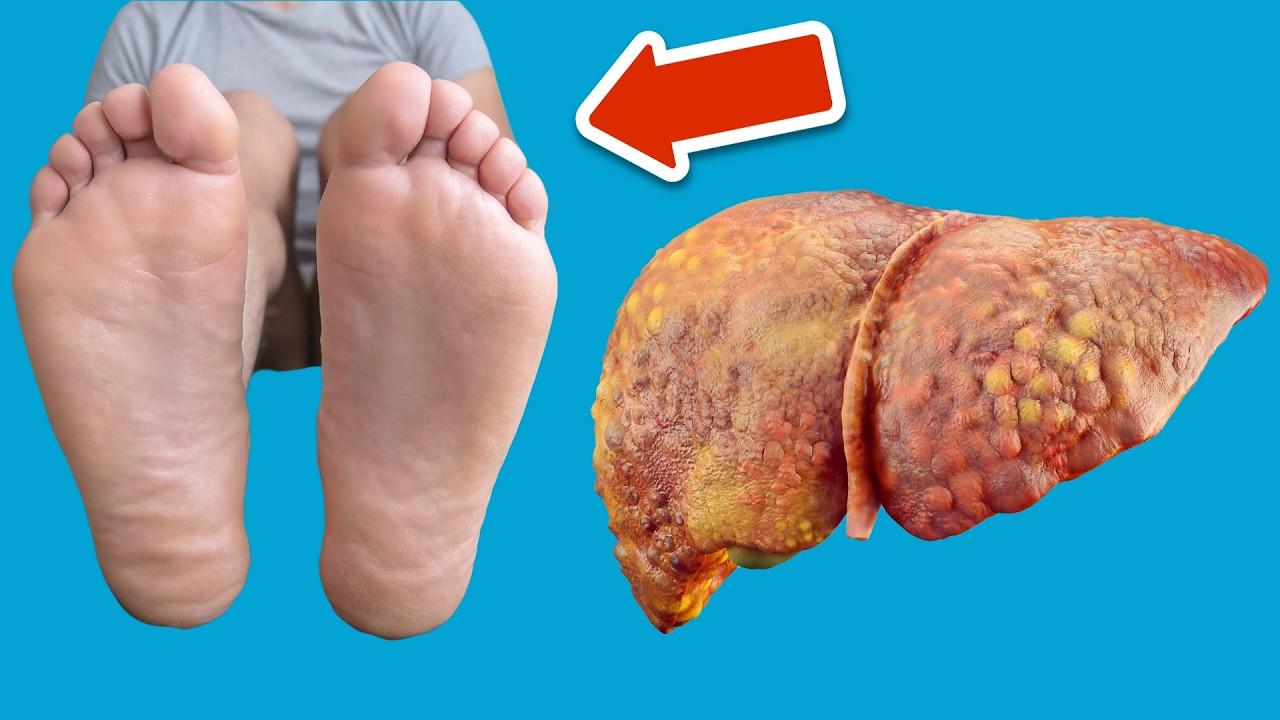
7 Surprising Signs Your Skin and Feet Reveal About Liver Health
7 Surprising Signs Your Skin and Feet Reveal About Liver Health
- Understanding Liver Health
- Skin Signs of Liver Issues
- Foot Signs of Liver Issues
- Common Mistakes to Avoid
- FAQ
Understanding Liver Health
Your liver plays a crucial role in detoxifying your body, processing nutrients, and regulating various metabolic functions. When your liver is not functioning optimally, it can manifest through various signs on your skin and feet. Perhaps you’ve noticed changes in your complexion or experienced swelling in your feet without understanding the connection. By paying attention to these subtle signals your body sends, you can gain insights into your overall liver health. Continue reading to explore these signs further.
Skin Signs of Liver Issues
Many skin changes can indicate potential liver problems. Your skin serves as a mirror of your internal health, and here are some signs to watch for:
1. Yellowing of the Skin
Known as jaundice, this condition occurs when excess bilirubin accumulates in the body. This yellowish tint can appear not only on your skin but also in the eyes. If you notice this change, it’s essential to seek medical advice to assess your liver health.
2. Itchy Skin
Persistent itching without any apparent rash often signals issues with liver function. The buildup of bile salts can lead to discomfort and skin irritation, indicating that your liver may not be filtering properly.
3. Easy Bruising
If you’re finding that you bruise easily, this could be linked to liver health. The liver produces proteins that are vital for blood clotting. A deficiency in these proteins may mean that injuries are more likely to result in bruising.
4. Red Palms
Known as palmar erythema, red or swollen palms can suggest liver dysfunction. This is due to changes in hormone levels associated with liver health. Pay attention to any sudden changes, especially if accompanied by other symptoms.
Foot Signs of Liver Issues
Your feet can reveal a lot about your liver health. Here are some signs to notice:
1. Swelling in the Feet
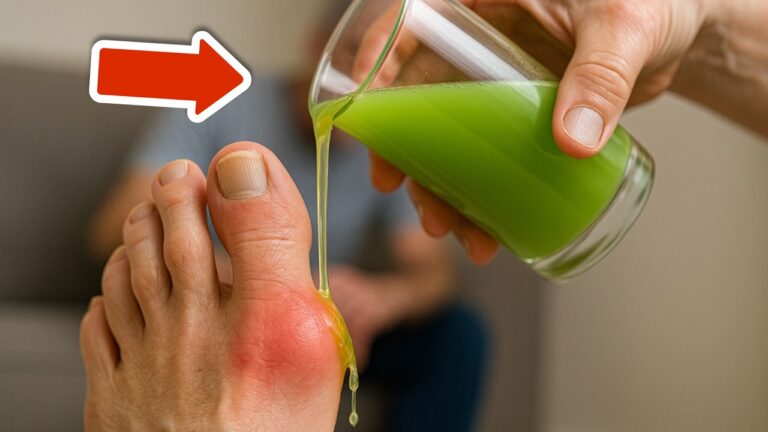
Fluid retention can occur when the liver is not processing proteins effectively. This can lead to swelling, especially in the feet and ankles. If you experience this regularly, it may be a signal to check on your liver function.
2. Changes in Nail Color
Nail health often reflects your overall health. If you notice yellowing, white spots, or other unusual colors in your nails, it could indicate liver issues. Keep an eye out for any shifts in your nail appearance.
3. Plantar Warts or Yellowish Bumps
Some people develop warts or yellowish bumps on their feet, which may signal underlying health problems, including liver issues. These growths can indicate an excess of certain hormones that the liver is not processing effectively.
Common Mistakes to Avoid
Understanding the signs of liver health can be complicated, and it’s easy to make mistakes in interpreting these signals. Here are some common pitfalls:
- Ignoring minor symptoms: Small changes can lead to significant health issues, so it’s crucial not to dismiss them.
- Self-diagnosing: Relying solely on internet searches can lead to misunderstandings; always consult with a healthcare professional.
- Overlooking lifestyle factors: Diet, hydration, and lifestyle choices impact liver health; neglecting these can exacerbate issues.
FAQ
What are the first signs of liver problems?
The first signs often include fatigue, yellowing of the skin, and changes in appetite. Skin issues like itchy skin or easy bruising can also appear early on.
Can diet affect liver health?
Yes, a poor diet high in processed foods, sugars, and unhealthy fats can negatively impact liver function, leading to various health complications.
What should I do if I notice these signs?
If you notice persistent changes in your skin or feet, it’s important to consult a healthcare provider for appropriate testing and guidance.
Conclusion
Being aware of the signs your skin and feet reveal about liver health can lead to earlier intervention and better outcomes. Paying attention to these subtle changes allows you to take proactive steps toward maintaining your well-being. What signs have you noticed in your body, and how do they make you feel about your health?