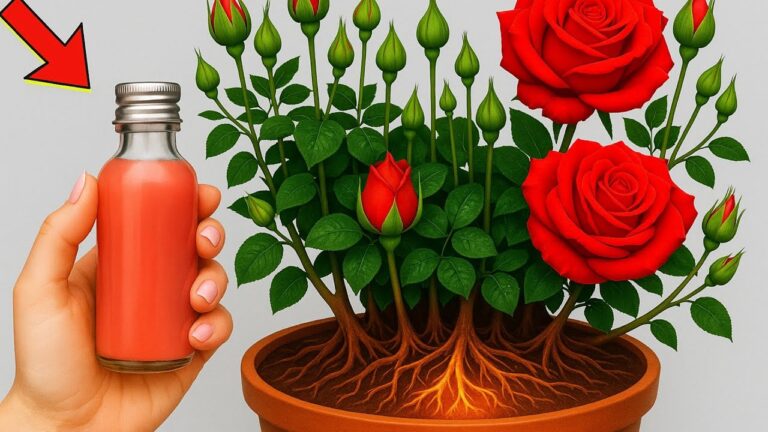
7 Simple Tips to Root Rose Cuttings and Enjoy Instant Blooms!
Rooting Rose Cuttings: 7 Simple Tips for Instant Blooms
- Understanding Cutting Techniques
- Choosing the Right Cuttings
- Preparing Your Cuttings
- Soil and Container Selection
- Common Mistakes to Avoid
- FAQ
Understanding Cutting Techniques
Rooting your own rose cuttings can be a rewarding endeavor, especially as you look forward to seeing your garden burst into life. You may have heard that some methods are more effective than others, but which techniques actually work best? Knowing the different cutting techniques is essential to maximizing your success and ensures vibrant blooms in your garden.
1. Importance of Cutting Methods
Different methods of taking cuttings can affect how well the roots develop. For instance, a softwood cutting taken during the growing season may root faster than a hardwood cutting taken in late fall. Understanding these techniques is crucial for achieving the best results with your roses.
2. Timing Your Cuttings
Timing can also be an important factor when it comes to rooting rose cuttings. Ideally, cut your rose stems in the late spring or early summer when the plant is actively growing. This ensures that your cuttings have the best chance to thrive.
Choosing the Right Cuttings
Selecting the right cuttings is critical to success. You want stems that are healthy and strong. Choosing the right cuttings not only impacts how well they’ll root but also how vibrant and beautiful the blooms will eventually become.
1. Look for Healthy Stems
Choose stems that are firm and have no signs of disease. Look for thriving stems that are approximately 4 to 6 inches long, with 2 to 4 leaves still attached. This can significantly improve your chances of successful rooting.
2. Select the Right Variety
Not all rose varieties root equally well. Consider opting for hybrid tea or floribunda roses, as these types often have a higher success rate for rooting from cuttings.
Preparing Your Cuttings
Once you’ve chosen your cuttings, the next step is to prepare them for rooting. Proper preparation can greatly increase the likelihood of success. This step often makes the difference between thriving roots and unsuccessful attempts.
1. Making the Cut
Using sharp, clean shears, make a cut just below a leaf node at a 45-degree angle. This increases the surface area for rooting and helps with moisture retention.
2. Removing Extra Leaves
Trim the leaves so that only one or two remain on the cutting. This reduces moisture loss and ensures that the cutting focuses its energy on developing roots rather than sustaining excessive foliage.
Soil and Container Selection
The right soil mix and container can make a significant difference in your success rate when rooting rose cuttings. By providing a supportive environment, your cuttings can flourish and develop strong roots.
1. Choosing the Right Soil
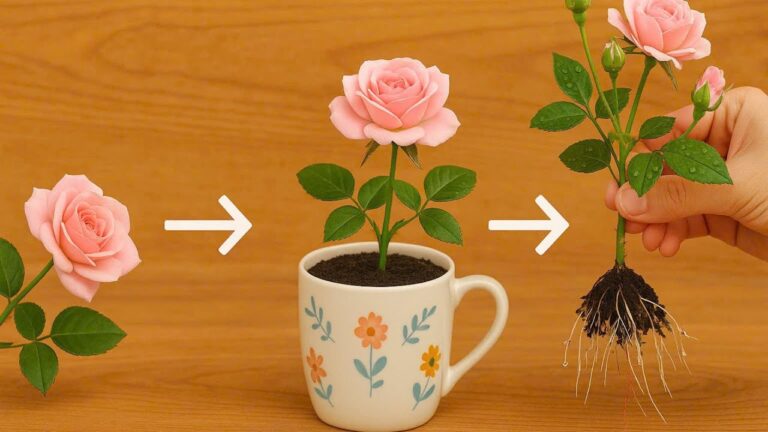
A well-draining potting mix is ideal for rose cuttings. Consider a mixture of coarse sand, perlite, and peat moss to encourage drainage and provide essential nutrients. This combination can help prevent root rot and support healthy growth.
2. Selecting Containers
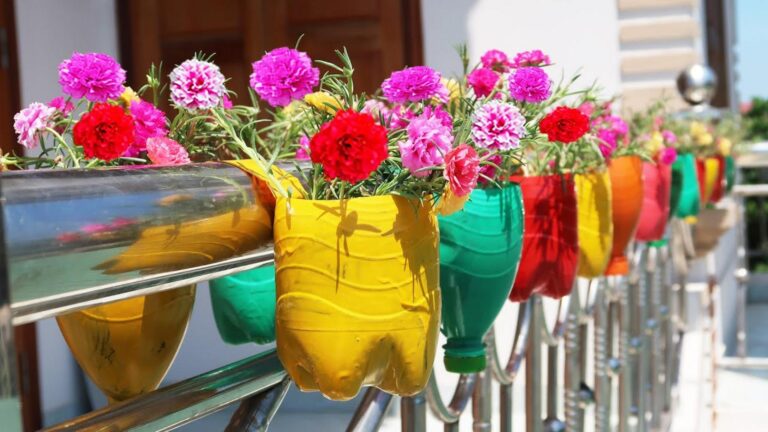
Use small pots or containers with drainage holes for each cutting. This allows excess water to escape, preventing the risk of soggy soil. You can also repurpose containers, such as yogurt cups, to practice creative recycling.
Common Mistakes to Avoid
Even the most experienced gardeners can encounter pitfalls. Being aware of common mistakes can help you avoid setbacks when rooting your rose cuttings.
1. Overwatering
One of the most prevalent mistakes is overwatering your cuttings. It’s essential to keep the soil moist but never soggy. Allow the top inch of soil to dry out before watering again.
2. Inadequate Lighting
Cuttings need light but not direct sunlight, which can scorch them. Place your pots in a bright, indirect light location. A south or east-facing window often works best.
3. Neglecting Humidity
Rose cuttings thrive in humidity. If your environment is dry, consider covering the pots with plastic bags or using a humidity dome to maintain moisture levels.
FAQ
How long does it take for rose cuttings to root? Generally, rose cuttings may take anywhere from 2 to 8 weeks to develop roots, depending on variables like variety and care.
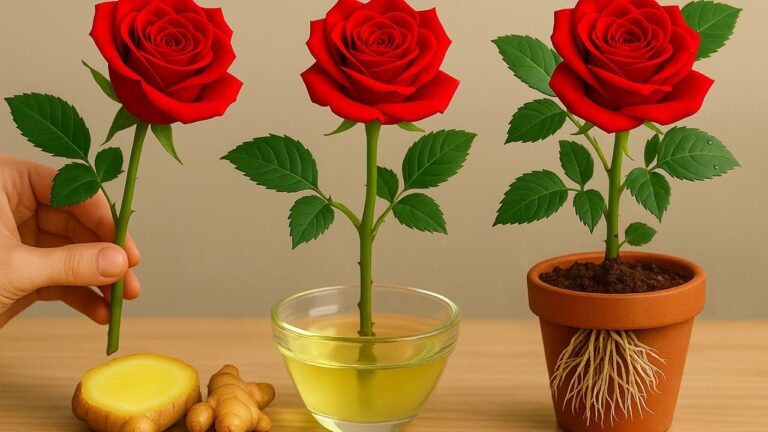
Can I root rose cuttings in water? Yes, some gardeners successfully root rose cuttings in water. However, using a well-draining soil mix is often recommended for optimal growth.
Are there specific rose types that are better for cuttings? Yes, hybrid tea and floribunda roses typically have higher success rates for rooting from cuttings, making them a good choice for beginners.
Conclusion
By following these tips, you can increase your chances of successfully rooting rose cuttings to enjoy beautiful blooms in your garden. What is your favorite rose variety to grow? Share your thoughts in the comments!