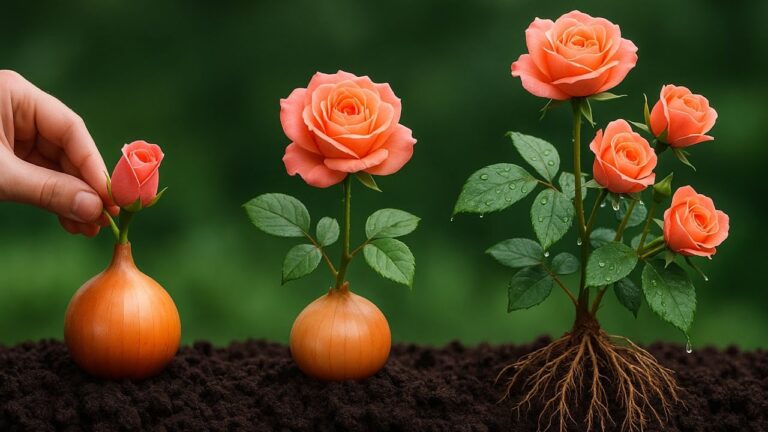

Root 9 Rose Cuttings Fast for Year-Round Blooms with This Simple Soaking Trick!
Root Rose Cuttings Fast for Year-Round Blooms with This Simple Soaking Trick
- Introduction
- Benefits of Soaking Rose Cuttings
- Step-by-Step Guide to Soaking Rose Cuttings
- Common Mistakes to Avoid
- FAQ
- Conclusion
Introduction
Have you ever felt disheartened by your rose garden’s lack of blooms? Even the most devoted gardeners sometimes struggle to propagate their favorite plants. Specifically, rooting rose cuttings can be a challenging task. However, there’s a simple trick that can significantly boost your success rate and bring vibrant flowers to your garden year-round. Keep reading to discover how soaking your rose cuttings can make all the difference.
Benefits of Soaking Rose Cuttings
Understanding the advantages of soaking your rose cuttings can motivate you to implement this technique. Here are some key benefits:
- Improved hydration: Soaking your cuttings allows them to absorb moisture, increasing the likelihood of survival.
- Faster rooting: With proper soaking, cuttings may develop roots more quickly, helping them thrive in your garden.
- Strengthened plants: Well-hydrated cuttings can lead to stronger plants that produce more robust blooms.
Boosting Overall Health
Soaking cuttings not only aids in root development but also enhances their overall health. A hydrated cutting has more energy to recover from the stress of being taken from the parent plant.
Cost-Effective Gardening
By using cuttings instead of purchasing new plants, you can create a beautiful rose garden while saving money. This technique also contributes to sustainable gardening practices.
Step-by-Step Guide to Soaking Rose Cuttings
Using the soaking method for rose cuttings will help you on your gardening journey. Here’s a practical guide to get you started:
Materials You’ll Need
- Healthy rose stems: Choose stems that are at least 6 inches long with several leaves.
- Water: Use room temperature water to prevent shock.
- Container: A small jar or bowl will work best for soaking.
- Rooting hormone: Optional, but it can enhance root development.
Detailed Steps for Soaking Your Cuttings
- Prepare the cuttings: Cut the stems at a 45-degree angle just below a node. Remove the lower leaves, leaving only a couple on top.
- Soak the cuttings: Place the cuttings in your container, fully submerged in water for 12 to 24 hours.
- Plant the cuttings: After soaking, plant them in soil and water lightly.
Practical Tips
- Choose cuttings from healthy, disease-free plants.
- Ensure your soil is well-draining to prevent rot.
- Place your planted cuttings in a sheltered location with indirect sunlight to encourage growth.
Common Mistakes to Avoid
Many gardeners may encounter challenges when soaking rose cuttings. Here are some mistakes to be aware of:
- Over-soaking: Leaving cuttings in water for too long can lead to rot; 12-24 hours is ideal.
- Using unhealthy stems: Avoid cuttings from plants that show signs of disease or stress.
- Neglecting soil preparation: Ensure your soil is suited for new cuttings to thrive.
- Ignoring environmental conditions: Place cuttings in areas that are too hot or cold to reduce their chances of survival.
FAQ
How long does it take for rose cuttings to root?
Typically, rose cuttings can take 4 to 8 weeks to root, depending on the variety and environmental conditions.
Can I root rose cuttings in soil instead of water?
Yes, you can root rose cuttings directly in soil, but soaking them can improve your chances of successful rooting.
What type of rose is best for cuttings?
Most rose varieties can be propagated from cuttings, but hybrid tea roses and floribundas are particularly well-suited for this method.
Conclusion
Soaking your rose cuttings can significantly improve their chances of successful rooting, leading to beautiful blooms in your garden. By following these steps and avoiding common mistakes, you can cultivate your favorite roses effortlessly. What has your experience been with propagating roses at home? Feel free to share in the comments!