
Grow 999 Roots Overnight by Sticking a Rose Branch in Water! Discover How!
Grow Roots Overnight by Sticking a Rose Branch in Water
- Introduction
- Understanding the Rooting Process
- Essential Materials
- Step-by-Step Guide to Rooting Rose Branches
- Common Mistakes to Avoid
- FAQ
- Conclusion
Introduction
Have you ever admired a rose garden and wished to create your own? The journey of gardening often begins with a single cutting. If you’ve tried to propagate a rose and faced challenges, you’re not alone. Many budding gardeners find the process daunting, with mixed results. Fortunately, the method of sticking a rose branch in water showcases how simple it can be to grow new roots. Let’s explore how you can establish a thriving rose plant from a single cutting.
Understanding the Rooting Process
Before you dive into the practical steps, it’s essential to grasp why certain cuttings can thrive while others may fail. Understanding the natural biology of plants will enhance your success.
How Plants Root
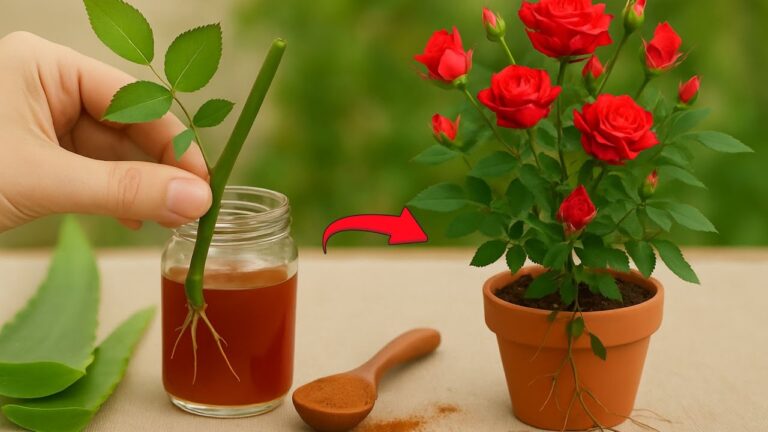
When you place a rose branch in water, the process of rooting begins as it absorbs moisture. This initiates cellular changes in the cutting, resulting in root formation. Over time, the cutting develops roots that allow it to draw nutrients from the water, leading to a healthy plant.
Factors Affecting Root Growth
Several conditions impact the rooting success of your rose branch:
- Water quality: Clean, chlorine-free water is crucial for healthy root development.
- Light conditions: Place your cutting in indirect sunlight to prevent stress.
- Temperature: A warm environment encourages quicker rooting.
Essential Materials
Gathering the right supplies will support your propagation journey. Here’s what you’ll need:
- Fresh rose cutting: Aim for a stem that is about 6 to 8 inches long, preferably taken from a healthy plant.
- Glass jar or vase: A clear container helps you monitor water levels and root growth.
- Filtered water: Using purified water promotes healthier roots.
- Optional: rooting hormone: While not necessary, this can encourage root growth if you choose to use it.
Step-by-Step Guide to Rooting Rose Branches
Now let’s walk through the process of rooting your rose cutting in water:
Step 1: Prepare the Cutting
- Choose a healthy branch: Look for a stem that has at least two to three leaves.
- Make a cut: Slice the stem just below a node at a 45-degree angle to maximize surface area.
- Remove excess leaves: Trim any leaves that will be submerged in water to prevent rot.
Step 2: Place in Water
- Fill your container: Add filtered water into the glass jar or vase.
- Insert the cutting: Place the rose cutting in the water, ensuring that only the bottom part is submerged.
- Set in a suitable location: Position the container in a warm spot with indirect sunlight.
Step 3: Maintain Water Levels
Check the water levels daily and refill as needed. Keeping the water clean is essential for the cutting’s health. Change the water if it becomes cloudy.
Step 4: Watch for Roots
Within a few days to a couple of weeks, you should begin to see roots forming. Once the roots are about 2-3 inches long, you can transfer your rooted cutting into soil.
Common Mistakes to Avoid
To ensure a successful propagation experience, be mindful of these common pitfalls:
- Using tap water: Always opt for filtered or distilled water to avoid chemicals that may hinder root growth.
- Placing in direct sunlight: Too much sunlight can stress the cutting, leading to failure. Stick to indirect light.
- Ignoring water levels: Regularly check and maintain water levels; neglect can lead to root damage.
- Transplanting too soon: Wait until roots are strong enough before moving to soil; otherwise, the cutting may not survive.
FAQ
How long does it take for a rose cutting to grow roots in water?
Typically, it can take anywhere from one week to three weeks for roots to develop, depending on environmental conditions.
Can all varieties of roses be propagated in water?
While many roses can be propagated using this method, hybrid and fragile varieties may require soil for better results.
What should I do if my cutting starts to rot?
If you notice any signs of rot, remove the cutting immediately, trim off the affected areas, and place it back in fresh water to promote recovery.
Conclusion
By following these steps, you can effectively grow your rose cutting into a vibrant new plant. Starting with just a branch can lead to the creation of your personal garden. What types of roses are you looking to propagate? Share your thoughts in the comments below!