5 Simple Steps to Grow Blueberries at Home and Enjoy a Bountiful Harvest
5 Simple Steps to Grow Blueberries at Home and Enjoy a Bountiful Harvest
- Introduction
- Required Materials
- Planting Techniques
- Care Tips for Blueberries
- Common Mistakes to Avoid
- FAQ
- Conclusion
Introduction
You might be dreaming of plump, juicy blueberries bursting with flavor, yet feel unsure about how to grow them in your backyard. With the right approach, you can cultivate a thriving blueberry bush that produces these delightful fruits. The journey may seem daunting at first, but you can transform your outdoor space into a berry haven. Keep reading to discover the essential steps for successfully growing blueberries at home.
Required Materials
To get started with growing blueberries, it’s important to gather the right materials. Here’s a list of what you’ll need:
- Healthy blueberry plants (choose a suitable variety for your climate)
- A well-draining soil mixture (preferably acidic, like peat moss)
- A sunny spot with at least 6 hours of sunlight daily
- Mulch for moisture retention
- Watering can or hose for consistent watering
Planting Techniques
Planting blueberries correctly sets the foundation for a successful harvest. Follow these simple steps to ensure your plants thrive:
- Choose a location: Find a sunny spot in your garden that receives plenty of natural light.
- Prepare the soil: Mix equal parts peat moss and compost into your garden soil to create the right acidity.
- Dig holes: Make holes approximately two feet apart, three times wider than the root ball of the plant.
- Place the plants: Gently remove the plants from their containers and place them in the holes, making sure the top of the root ball is level with the soil surface.
- Water thoroughly: After planting, give your new blueberry bushes a deep watering to help them settle into their new homes.
Care Tips for Blueberries
Once your blueberry plants are in the ground, regular care is crucial to ensure a bountiful crop. Here are some care tips to keep in mind:
Watering
Blueberries require consistent moisture, especially during their first few growing seasons. Here’s how to maintain moisture:
- Water deeply once a week, ensuring the soil stays moist but not soggy.
- Use mulch to retain soil moisture and suppress weeds.
Fertilizing
Proper fertilization can enhance growth and fruit production:
- Use an acid-based fertilizer specifically formulated for berries in early spring.
- Avoid over-fertilizing, as this can harm the plants.
Pruning
Regular pruning encourages healthy growth and production:
- In the first two years, focus on removing any dead or weak branches.
- Once established, prune in late winter to shape the bush and enhance airflow.
Common Mistakes to Avoid
Even seasoned gardeners can make missteps when growing blueberries. Here are some common mistakes to avoid:
- **Neglecting pH levels**: Blueberries thrive in acidic soil (pH 4.5 – 5.5); check and adjust your soil’s pH before planting.
- **Overwatering**: Too much moisture can lead to root rot; ensure the soil drains well.
- **Skipping pollinators**: Planting multiple varieties can enhance fruit yield due to cross-pollination.
- **Inconsistent care**: Regularly monitor your plants for pests and diseases; staying proactive can prevent larger issues.
FAQ
What type of blueberries are best for home gardens?
Highbush blueberries are often recommended for home gardens due to their adaptability and higher fruit yields.
How long does it take for blueberry plants to produce fruit?
Typically, blueberry plants start producing fruit around the 2 to 3-year mark after planting.
Can I grow blueberries in pots?
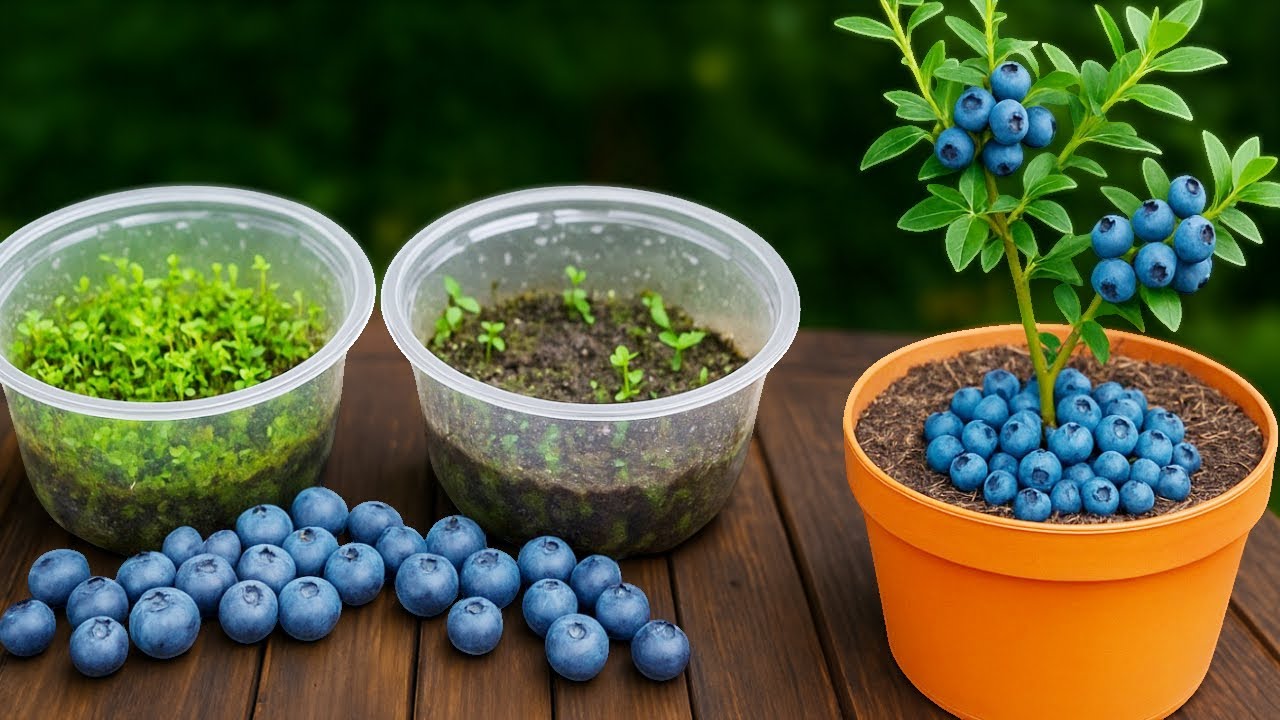
Yes, blueberries can thrive in pots as long as they have acidic soil and good drainage.
Conclusion
Growing blueberries at home can be a gratifying endeavor with careful planning and upkeep. By following these steps and avoiding common mistakes, you can enjoy a fruitful harvest in no time. What are your favorite ways to use fresh blueberries? Share your thoughts in the comments below!